

What we call electromagnetic radiation is, as the name itself says, a physical phenomenon that propagates in a straight line ("radiation" from "ray") and that is electromagnetic in nature — that is, it involves an electric field and a magnetic field. The schematic picture of electromagnetic radiation often looks like figure 1.
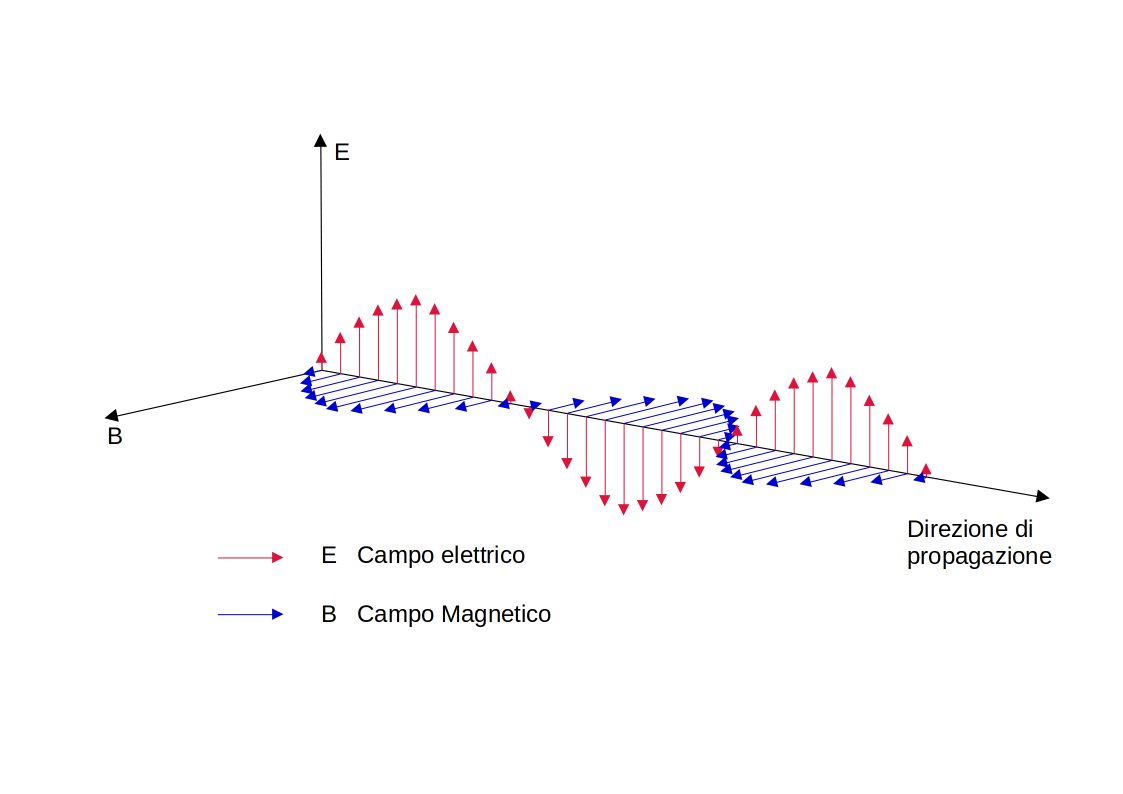
In the figure you can see two waves — where by "wave" we mean something whose value changes periodically — oscillating on two perpendicular planes. A positive direction is defined for the electric and magnetic fields: the electric field is positive in the direction an electron would move if subjected to it, while for the magnetic field the positive direction runs from the magnetic North pole to the South pole. The North pole of a magnet is the one attracted by the Earth's magnetic North pole, while the South pole is the opposite one, attracted by the Earth's magnetic South pole. OK, this is a bit confusing, because it is opposite poles that attract each other — but since it was only realised after they had been named that the North pole of a magnet is attracted by the South and vice versa, the original names stuck.
In fig. 1 the directions of the fields are indicated by the arrows which, as you can see, flip every time the fields go through zero. To better understand what we have said so far, the animation in fig. 2 will help.
It shows an electromagnetic wave seen along the direction of propagation of the previous figure — that is, along the direction from which we would see it arriving.
You can see a sort of cross with one blue arm and one red arm changing its size. The electric field, represented here by the red arm, varies from zero (when the red arm is not visible) up to its maximum value (the arm at full length), returns to zero when it disappears again and becomes maximum once more, in a continuous cycle. The blue arm, which here represents the magnetic field, behaves identically, but in a direction perpendicular to the electric field, going to zero at the same moment the electric field does. The direction of the fields is indicated by the arrows superimposed on the arms, which flip every time the fields go through zero.
Let us say that if we were an electron, this is how we would "see" a particle of electromagnetic radiation — called a photon — arriving, and we would feel the effect of the electric and magnetic fields through a motion imparted to us that changes direction at every change of direction of the fields.
A photon is the primary constituent of electromagnetic radiation: it is a particle which, under conditions ordinary for us, moves in a straight line, carries an amount of energy and, in particular conditions, behaves like a wave — because, in the best tradition of Quantum Mechanics, particles behave very differently from the phenomena we are familiar with.
When, in the previous animation, the fields reach their maximum with the field direction pointing up, we are on the crest of the electromagnetic wave — in fig. 1, the point with the longest arrow. Now let us look at the animation in fig. 3.
The distance between two crests is called the wavelength, usually denoted by the Greek letter lambda (λ), and is measured in metres. The number of times per second the wave goes up and down is called the frequency, denoted by the Greek letter nu (ν), and is measured in number of crests, or cycles, per second. This unit of measurement is called the Hertz (Hz), after Heinrich Hertz, the German physicist who first studied the properties of the waves that were initially called Hertzian waves and were only called radio waves when they were used to "radiate" — that is, to send far away — messages through Marconi's wireless telegraph. The wavelength and frequency of an electromagnetic wave are related to each other: for every photon their product is always equal to the speed of light
λν = c
A photon, as we said, carries a small amount of energy, because the particle itself is made exclusively of energy. It has no so-called rest mass — a mass it would possess when completely at rest. A photon does not exist except in motion, and at its own speed: what we call the speed of light, denoted by the letter c. Its value is 299,792,458 m/s — it covers almost three hundred million metres every second.
The energy carried by a single photon is directly connected to the frequency of the photon itself, as Max Planck deduced in 1900. The formula he derived was
E = hν
where ν is the frequency of the photon and h is the Planck constant, equal to 6.63 · 10-34 J·s, where J stands for Joule, the unit of energy, and s for second. Once Planck had written down a supremely important equation for the emission of the so-called black body — an idealisation that can be well approximated by a hot body in thermal equilibrium, i.e. one that neither heats up nor cools down too quickly — he deduced the value of the constant so as to make the calculated data match those measured experimentally.
The electromagnetic spectrum
Radio waves are electromagnetic radiation, or electromagnetic waves (the two names are synonyms), with a particular wavelength. Electromagnetic waves with lengths ranging from 100,000 km down to about 1 mm are considered radio waves. Quite a range of wavelengths, you must admit! But in fact there is no upper or lower limit to the wavelength of electromagnetic radiation — or at least none that we know of. There may exist radio waves longer than 100,000 km, or electromagnetic radiation with wavelengths far smaller than an atom. The full range of wavelengths goes from zero to infinity, in the sense that one can get as close as one likes to these limits without ever reaching them, since a zero or infinite wavelength has no physical meaning. The interval of all the wavelengths, or frequencies, that electromagnetic radiation can take is called the electromagnetic spectrum, and we can see an example of it in fig. 4.
The figure is on a logarithmic scale: each centimetre corresponds to an order of magnitude, i.e. a factor of 10 in frequency on the lower scale and in wavelength on the upper one. As you can see, radio waves cover the part of the spectrum with the longest waves, or lowest frequencies.
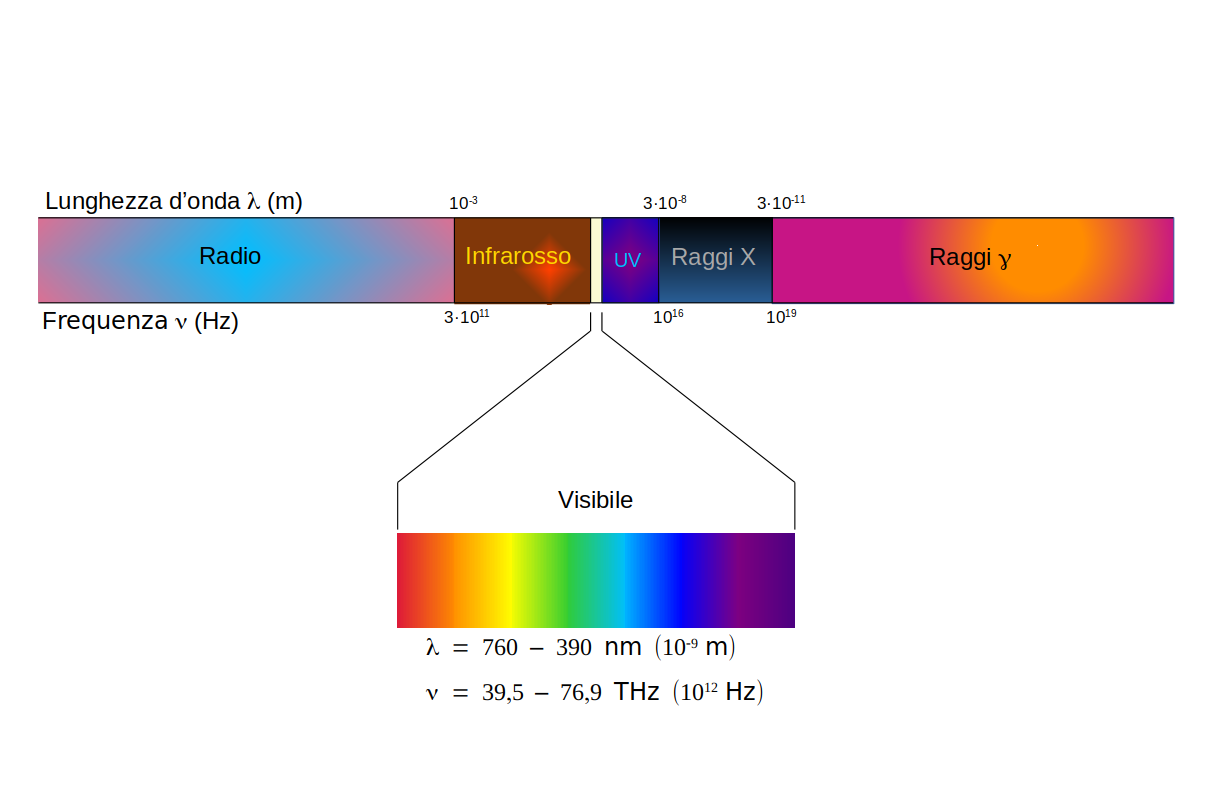
With wavelengths ranging from about 1 mm down to about 760 nm (nanometres, billionths of a metre) we speak of infrared radiation, electromagnetic radiation typically emitted by objects at what we consider ordinary temperatures. A person, a dog, a pot of boiling water are all bright if observed with an instrument sensitive to this radiation.
And then? Have you ever heard of visible electromagnetic radiation? You know it very well under the name of light. Our vision is possible because our eyes are sensitive to these particular wavelengths of electromagnetic radiation, from 760 down to 390 nm. It is actually a very small interval of wavelengths, yet within it lie all the colours we can distinguish: each colour is made of photons with a particular wavelength, and our eyes can tell apart up to ten million different colours. Imagine how little two distinguishable colours differ in wavelength! In fig. 4 you can see how tiny this interval of frequencies is — which is why it has been enlarged in the figure to show all its colours.
If we shorten the wavelength further we enter the domain of ultraviolet radiation. We go from about 400 down to 10 nm and begin to speak of ionising radiation — electromagnetic radiation capable of stripping electrons from atoms, and therefore with enough energy to damage even living matter. The Sun emits a great deal of ultraviolet radiation, but fortunately most of it is blocked by the ozone layer, a molecule found in the upper atmosphere made of three oxygen atoms which shields us from this type of radiation. Only a small part reaches the ground, and it is responsible for our suntan, since ultraviolet radiation activates the cells of our skin that produce melanin, a pigment that protects the underlying tissue from further exposure to ultraviolet light.
Decreasing the wavelength still further we reach the X-rays, so named by their discoverer because they were a radiation unknown until then. We will talk about it in the section A bit of history. These range from 10 nm down to 10 pm (picometres — trillionths of a metre or, for those familiar with scientific notation, 10-12 m). I imagine you know what radiographs are: well, it is with this radiation that they are made, because X-rays are energetic enough to pass through a person's soft tissues but are blocked by the bones.
Finally, from a wavelength of about 10 pm downwards (there is no known limit, remember?) the radiation is called γ (the Greek letter gamma), and radiation of this kind is decidedly dangerous for life in general. It is emitted during nuclear phenomena: in reactors or fission bombs, in nuclear fusion phenomena such as in the cores of stars, or through the radioactivity of certain elements.
A bit of history
In the section Electromagnetic radiation we saw that all the radiations we listed have different names although they are actually the same kind of phenomenon: a varying electromagnetic field, which was in fact predicted theoretically while the various radiations we listed were being discovered. These radiations were observed, studied and then named at different times, with different methods and by different people over the span of a century. But there was someone who had predicted them all, on paper. Let us proceed in order — chronological order, I would say.
Visible radiation was discovered by humankind itself, of course. By the simple fact of seeing, we know there is something which, when present, allows us to "see" things, while its absence does not. We called it light. But it was only in the 17th century that we began to understand what it was like and what it was made of. The studies stemming from the astronomy of Tycho Brahe and Johannes Kepler first, and later the experiments of René Descartes, Isaac Newton, Christiaan Huygens, Thomas Young and others between the late 1500s and the 1700s, led to the definition of the properties of light.
Studies on the dispersion of light — on how white light can be split into the colours of the rainbow when it passes through a prism of transparent material — began with Newton and continued with other scholars. But Newton, besides other kinds of experiments on light, gave his own interpretation of its nature as corpuscular, i.e. made of many small particles of light. The various phenomena of reflection, refraction, colour and shadow could be explained more or less satisfactorily by the corpuscular theory, but Huygens found himself disagreeing with his colleague's conclusions because of other phenomena that occur with light, such as diffraction and interference, absolutely inexplicable in purely corpuscular terms, yet present in the propagation of waves. Huygens therefore leaned towards a wave nature of light — light was made of light waves. The problem that arose with waves, however, was that they do not propagate without a medium. Waves on the surface of water, or sound waves, need their medium — water or air — to propagate. Sound does not propagate in a vacuum, and this could be verified experimentally. What, then, was the medium in which light propagated?
Although simpler, the corpuscular theory was soon abandoned in favour of the wave theory, which held out until 1905. Gradually, in fact, it came to be accepted by all physicists that light propagated through a medium that was impalpable, extremely rigid, unaffected by electromagnetic or gravitational interactions, absolutely stationary on astronomical scales, and yet seemed to have the characteristics of a solid rather than a liquid or a gas. In short, a kind of chimera — but at the time there was no better explanation for the propagation of light. Until Einstein.




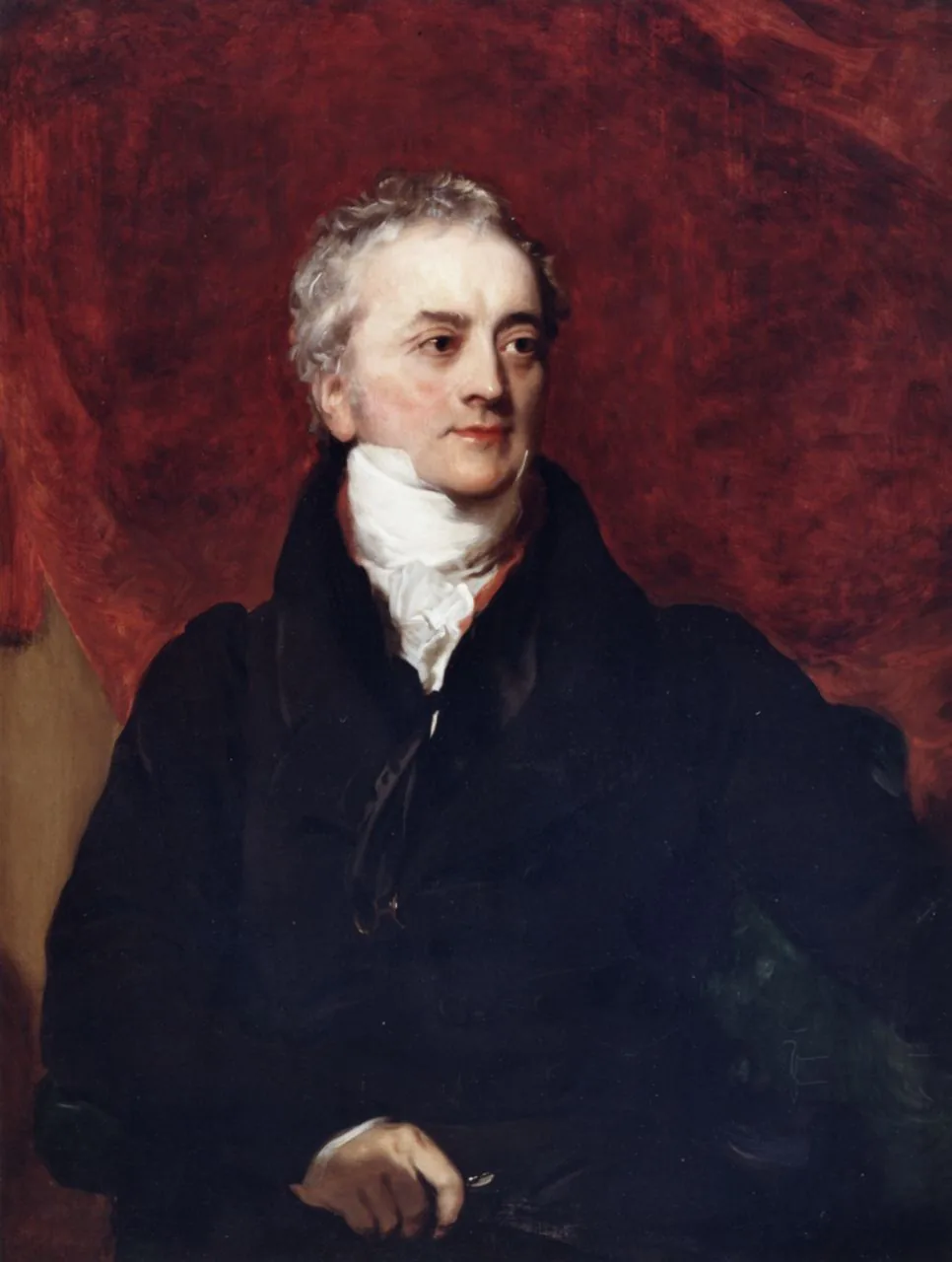
Einstein's second paper of 1905 was the one that earned him the Nobel Prize: he brilliantly explained the photoelectric effect, the phenomenon underlying the production of electricity in photovoltaic panels. Sunlight (not only sunlight, but the panels we mount on our roofs use that) striking the panels strips electrons from the material they are made of, and these electrons are collected and converted into the electric current we use. Einstein explained the phenomenon correctly for the first time, and this explanation requires light to be made of minute particles of light — the photons we have been talking about. This conclusion raised once again the question of the nature of light: it is corpuscular, then! But how do we explain the wave effects observed in so many experiments? On this point we will merely mention that Quantum Mechanics explains it through a dual nature of matter at the microscopic level: particles such as photons or electrons behave like waves or like particles depending on the particular experiment we perform to detect them — which is why effects of both natures show up.
What we have described very quickly here is treated more thoroughly in many works you can find around, both as publications and on popular-science websites. Moreover, all the phenomena observed for visible radiation that have been described or mentioned in this section also occur for photons of other wavelengths, and can therefore be observed for the radiations whose history is described below.
Infrared radiation
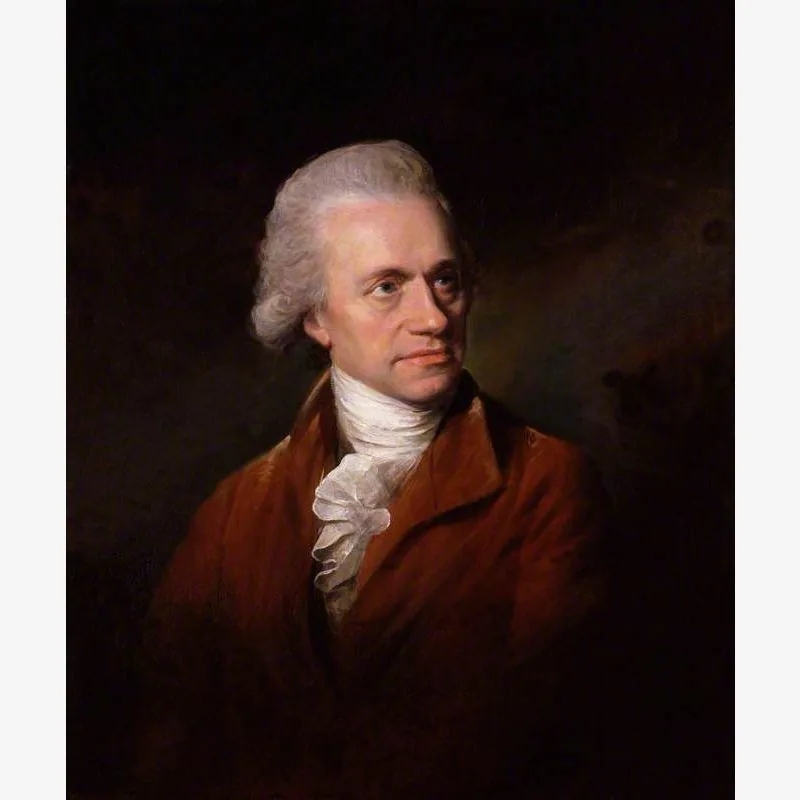
The first to discover an invisible radiation was an astronomer. Friedrich Wilhelm Herschel was a German born in Hanover who studied music thanks to his father, a member of the army band, and became a musician and music teacher.
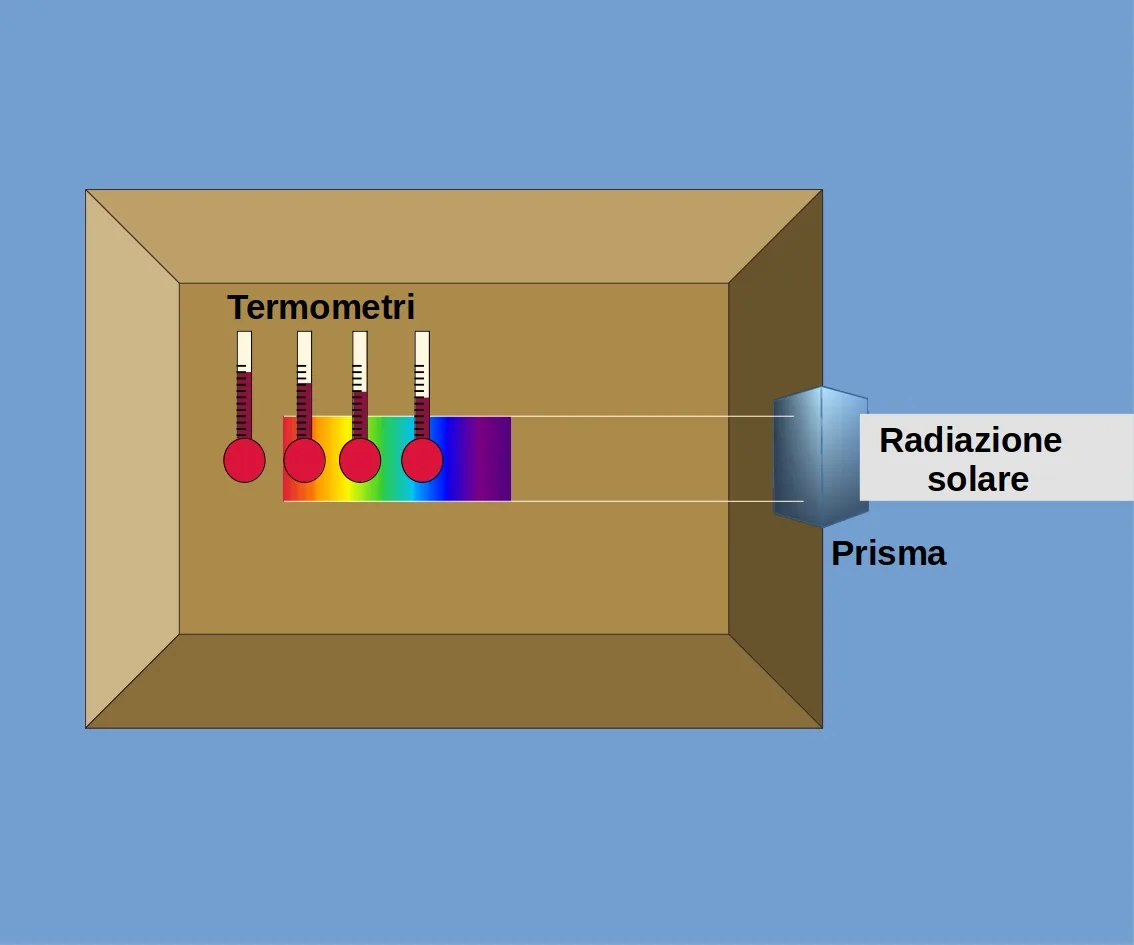
He established himself as such in England, where he moved around 1756. But he had a passion: astronomy. He had also taken to building on his own the telescopes he used to observe the night sky. Among the things he discovered was the planet Uranus, which he initially named Georgium Sidus in honour of King George III, who rewarded him with a position invented for the purpose and an allowance of 200 pounds a year. The king also financed the construction of a record-breaking telescope — for the time — of no less than one metre in diameter, with which he went on to make further discoveries. But in this section we remember him above all as the discoverer of infrared rays. In one of his experiments, around 1800, Herschel was measuring the temperature of the various colours into which sunlight is separated by a prism. The mercury thermometer was placed at each colour in turn and the temperature noted down. Anyone who owns a glass object that casts rainbows from sunlight knows that as the Sun moves through its daily path, the rainbows it produces move too. So it happened that the rainbow light produced by Sir Herschel's prism drifted past the thermometer, leaving the bulb in a position just beyond the red. Herschel noticed that, contrary to what one would expect, the thermometer showed not only a temperature above room temperature, but even higher than the temperature he had just measured on the red!
Naturally he set about reproducing the experiment, deducing that there existed rays produced by the Sun, invisible to us, that carried heat. He called them infrared, because the prefix infra means "below": they were rays below the red, i.e. coming before that colour in the rainbow.
Ultraviolet radiation
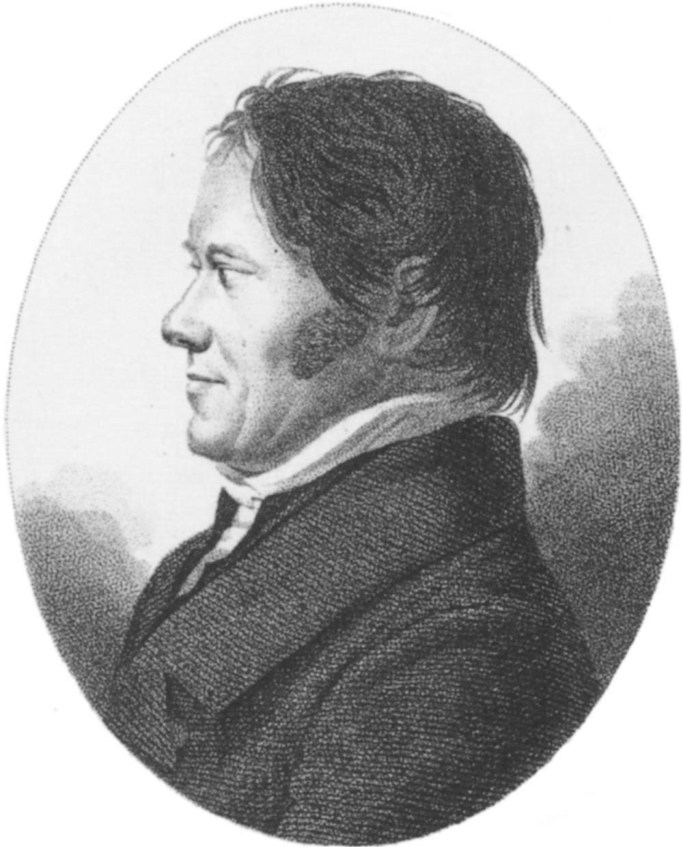
About a year later, another German physicist, Johann Wilhelm Ritter, discovered another invisible radiation. In truth, Ritter was interested in galvanism — the field of study begun by the Italian Luigi Galvani concerning static electric charges associated with living beings.
Ritter was more interested in the philosophical implications of physical laws, and the link that seemed to exist between electricity and life was one of his favourite subjects. That did not prevent him from making decidedly important discoveries. If, for example, we use batteries as we know them today — dry cells — we owe it to Dr Ritter, who in his studies developed a prototype that lasted thousands of times longer than a Volta battery.
The reason he discovered ultraviolet radiation was decidedly unscientific. The discovery was directly connected to Herschel's discovery of the infrared: given the duality of electricity — the existence of a positive and a negative pole — Ritter deduced that, just as before the red end of the visible spectrum there was a heating radiation, beyond the violet there had to be a cooling radiation. He set out to look for it and found it, exploiting the recently discovered property of silver chloride to change when exposed to light. Exposing this silver salt to the region of the spectrum beyond the violet, he noticed that it changed colour, as if it were exposed to light — a clue that there was invisible radiation there too. Contrary to his expectations, however, this radiation did not turn out to be colder than the infrared, and he lost interest in it. Why it was called ultraviolet is, I would say, self-explanatory: ultra, from the Latin "beyond", and violet from the colour beyond which it had been observed.
Radio waves
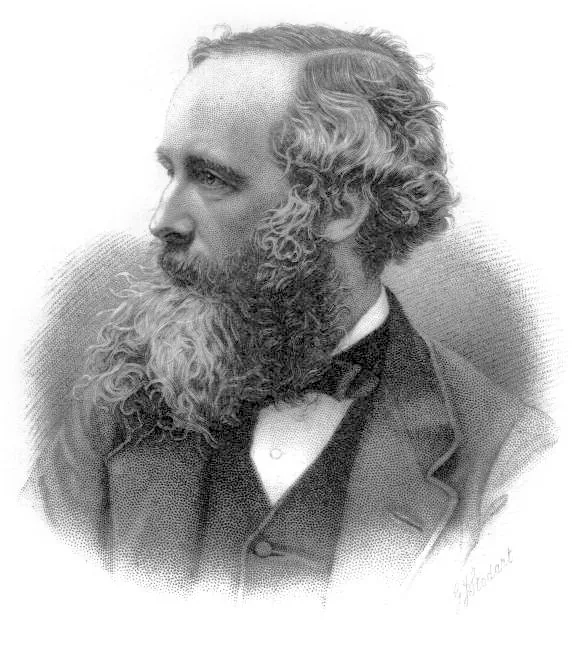
Next in chronological order comes the discovery of the radiation that would later be called radio, but which first went by different names. Meanwhile, let us take a break from the Germans: the next person we mention is a Briton, James Clerk Maxwell.
A Scottish academic and great mathematician, he trained in Edinburgh and then in Cambridge. His research ranged from electromagnetism to statistical mechanics, but for our story what matters is the long paper he published in 1865, "A Dynamical Theory of the Electromagnetic Field". In it Maxwell introduced his famous four equations, which allow us to describe all electromagnetic phenomena in nature. By solving the equations in each particular situation it is possible to obtain a mathematical description of the phenomena and thus to predict the behaviour of physical systems involving electromagnetism.
Our understanding of the electromagnetic phenomenon we are discussing rests on one particular solution of these equations: electromagnetic waves, as Maxwell himself named them. In fact, if in Maxwell's equations we assume there are neither charges nor electric currents, and hence no magnetic field, we do not get the vacuum, contrary to what one might expect. In the absence of everything, even of surrounding matter, Maxwell's equations describe a wave-like phenomenon — something that varies like a wave or a pendulum — involving an electric field and a magnetic field, both oscillating. Hence the name electromagnetic waves; but no one had ever observed one. Well, apart from light. And the infrared. And the ultraviolet. But they did not know these were the same phenomenon. Let us move on.
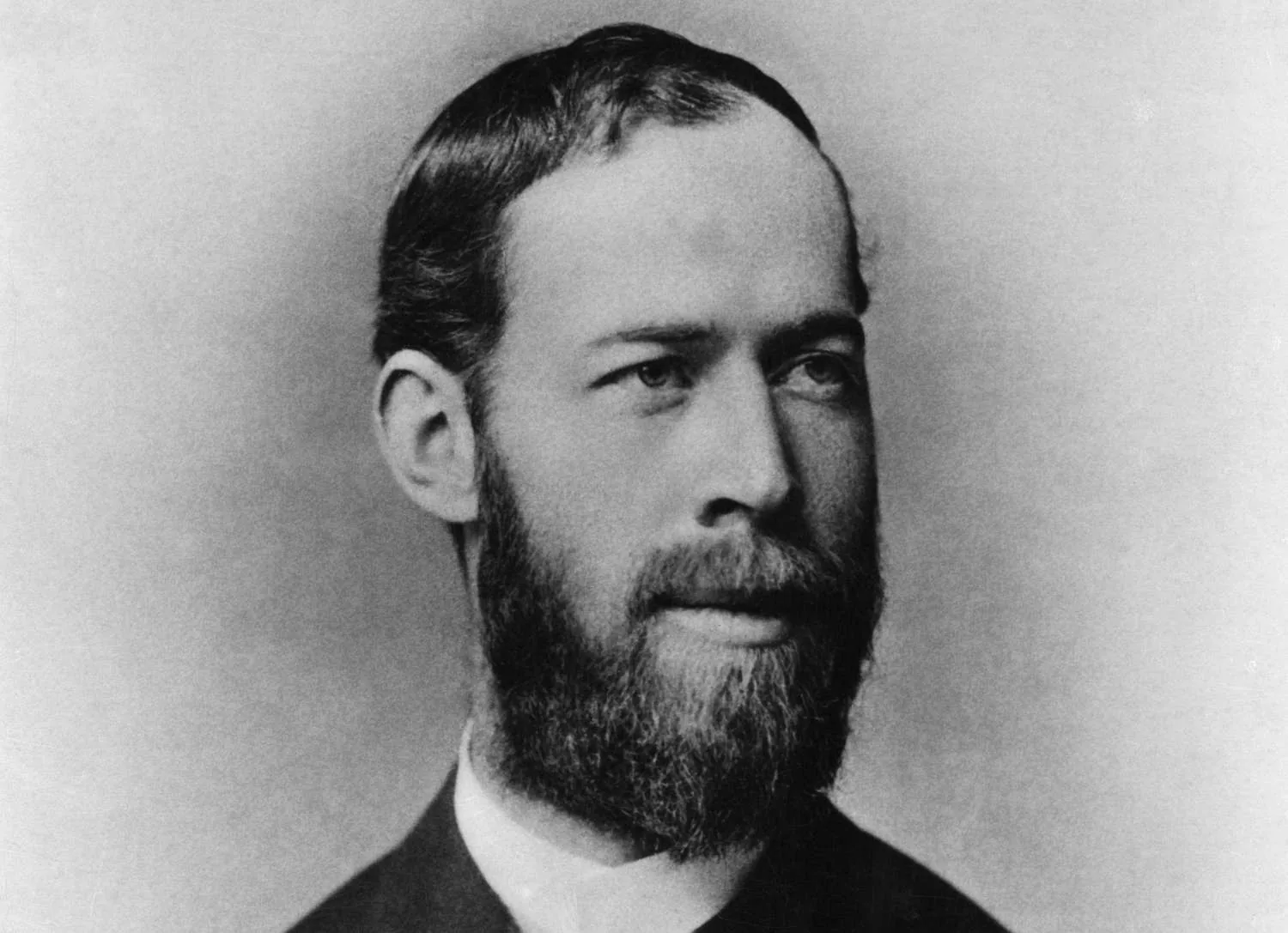
Heinrich Rudolf Hertz took care of it — and here come the Germans again. In the period between the 1800s and the early 1900s, German physicists blazed the trail for a whole new physics and for the two great physical theories that still hold sway today, Relativity and Quantum Mechanics.
Hertz too was a physicist; he worked at the University of Karlsruhe and dealt almost exclusively with electromagnetic phenomena. He was, among other things, the discoverer of the photoelectric effect, later explained by Albert Einstein in the famous paper that earned him the Nobel Prize.
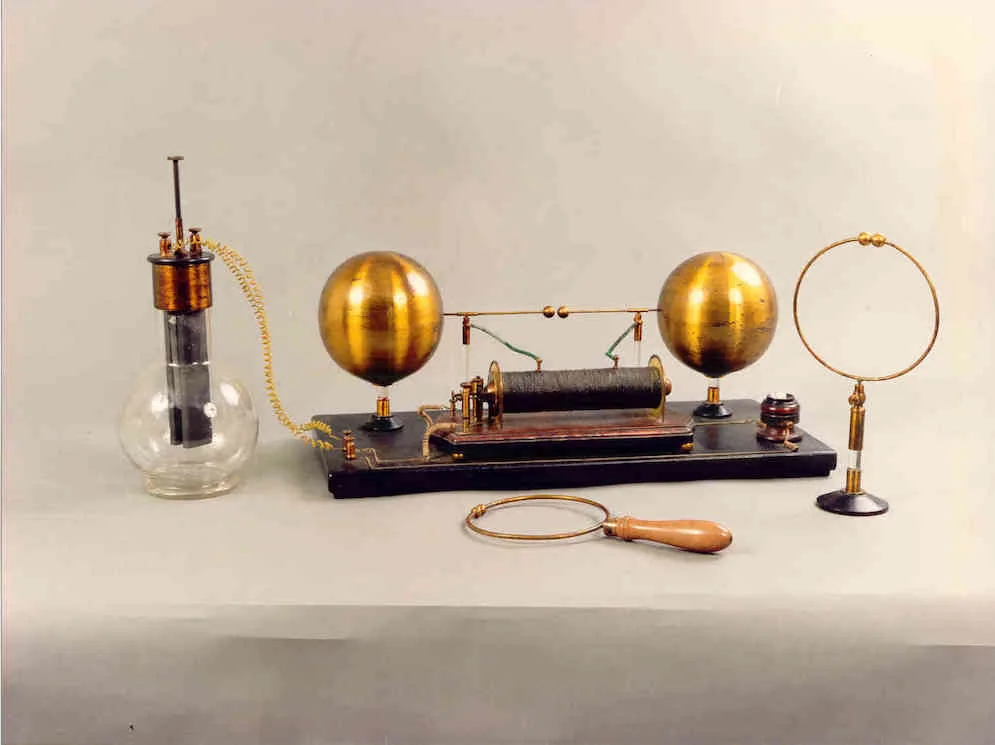
In 1887 Hertz managed to demonstrate that waves produced by an electromagnetic system could be transmitted, and that in this way energy was transferred at a distance from an emitting device to a receiving one. The first radio transmission in history had been made, and the electromagnetic waves predicted by Maxwell had been observed for the first time. They were called Hertzian waves, after their discoverer.
This new type of radiation was also called electromagnetic radiation, precisely because of the way it had been produced — with an electric circuit carrying a current, which had been known for some time to produce a magnetic field as well.
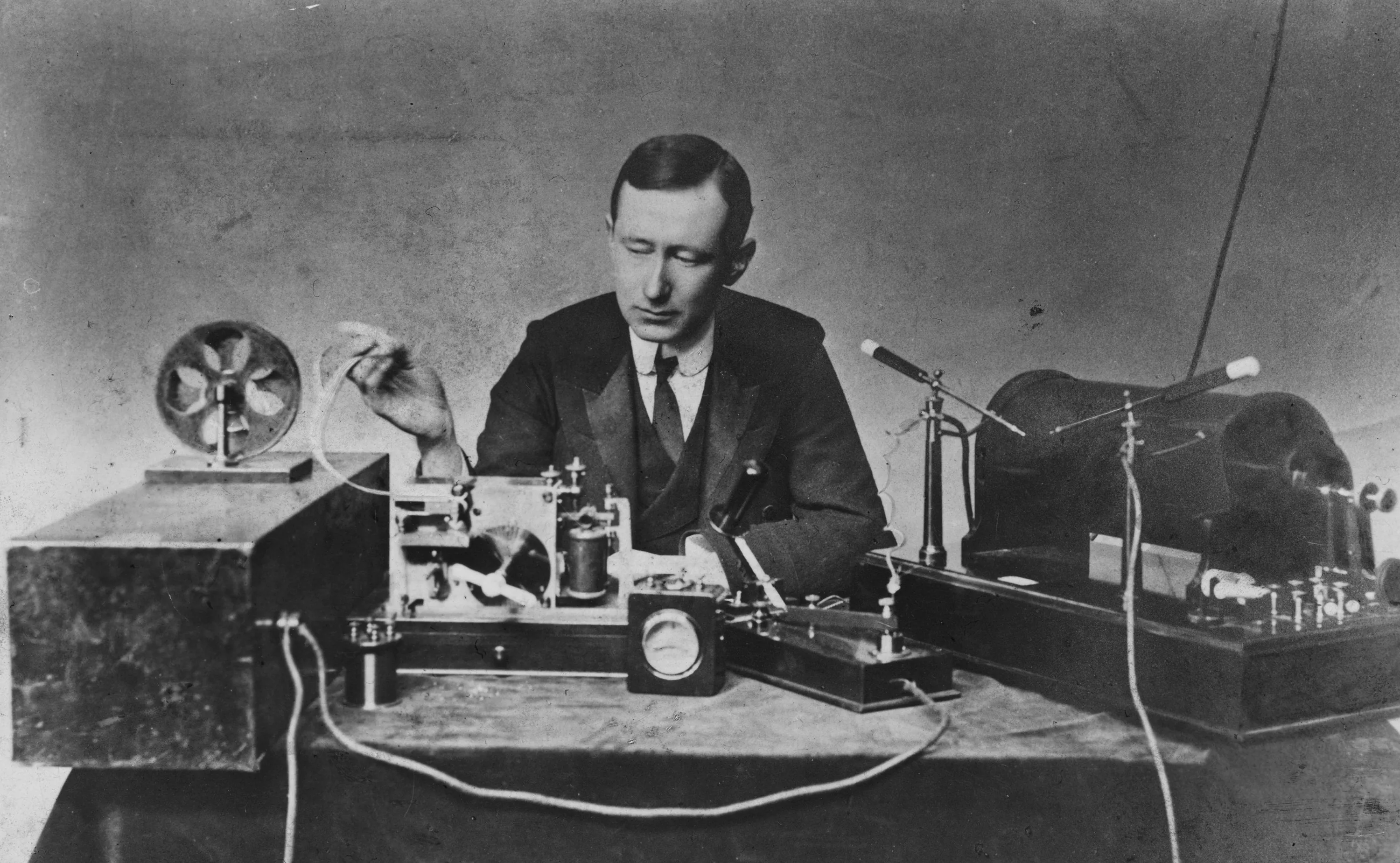
Guglielmo Marconi exploited this new kind of waves to transmit signals.
It is important to know that a signal is always a symbol or representation of any kind that has a precise meaning, understandable to anyone who knows how it is encoded. At this very moment you are using one of the oldest signals ever invented by humankind: writing. It contains symbols, the letters, which have a meaning, and rules that allow them to be joined into words; with words one can in turn compose sentences and paragraphs, conveying a meaning — encoded in letters, words and sentences — to those who cannot directly hear our voice.
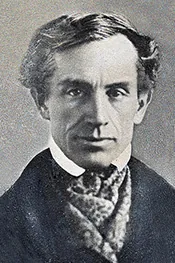
In Marconi's time the telegraph had already been invented by Samuel Morse, in 1832; it used a code of signals based on a short sound and a long one, the dot and dash of the code invented by Morse himself.
Morse's telegraph transmitted over electric wires and required long networks of cables to be laid to connect distant places. Marconi thought of exploiting the possibility discovered by Hertz of transmitting energy at a distance to send the same telegraph signals, but without an electric wire along which the signal travelled. He succeeded in 1896. The name radio waves was borrowed from the direction the transmission took — the straight line or "ray", radius in Latin. In practice, ray waves. The name antenna, on the other hand, came from Guglielmo Marconi's sailing experience, since an antenna (lateen yard) is the spar which, together with the mast, holds up a triangular sail. Given the shape of the first transmitting structures — steerable rods like the yard of a sail — this term became the name of any transmitting or receiving device, whatever shape it may have today. Marconi went on perfecting his invention until he achieved the first transoceanic transmission in history, between a transmitting station in Ireland and a receiving one in Canada.
X-rays
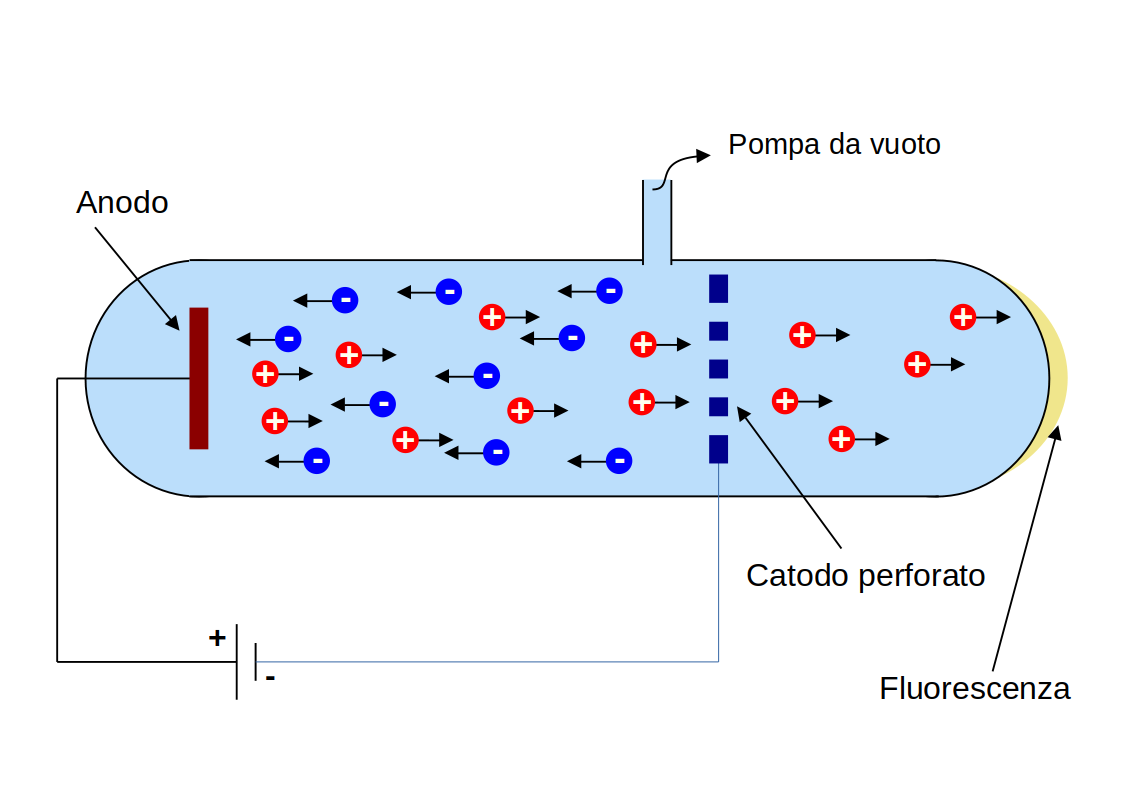
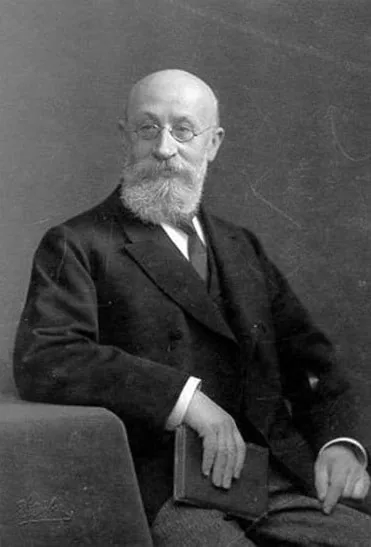
In 1886 Eugen Goldstein, a German physicist, had discovered cathode rays — a radiation produced in a glass tube in which a vacuum had been made and a gas introduced at very low pressure. When an electric potential difference was applied across the tube, rays were created: "something" that propagated from the cathode (the negative pole) to the anode (the positive pole).
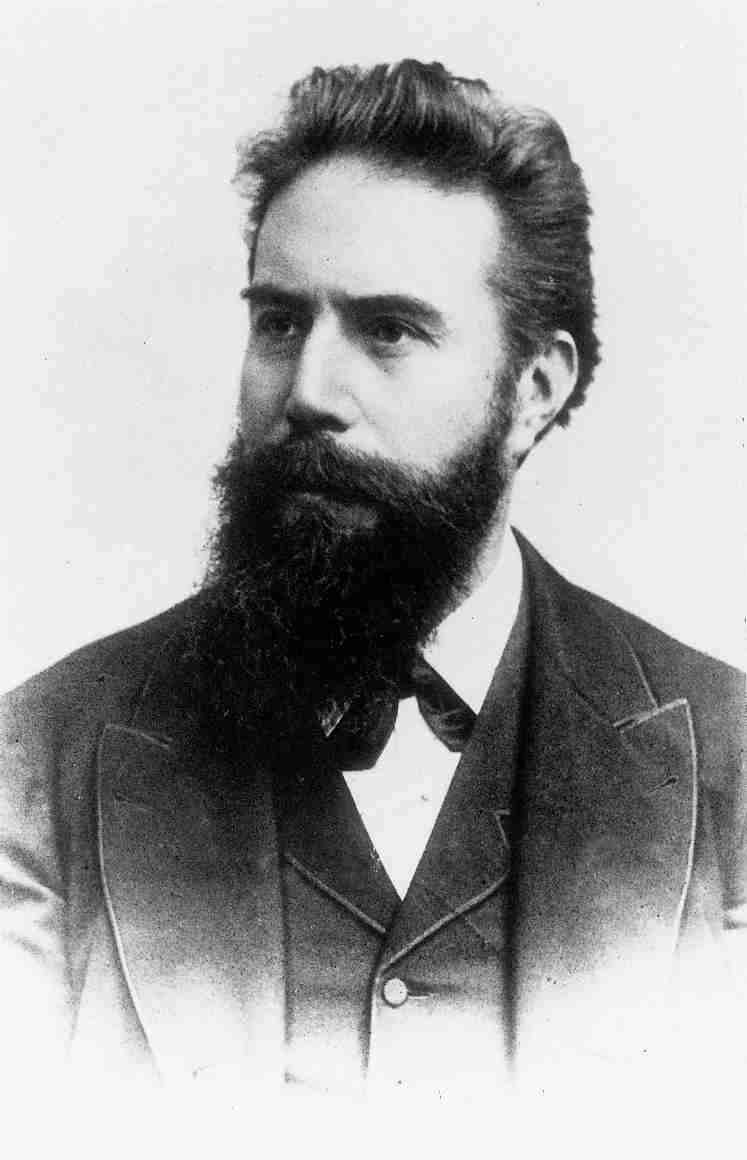
They were studied thoroughly, to the point that Joseph John Thomson, an English physicist, proved in 1896 that they were particles 1000 times smaller than the hydrogen atom and electrically charged. He had discovered the electron, which actually turned out to have a mass 1835 times smaller than that of the proton. But what does this have to do with X-rays? A German physicist (yes, I told you the Germans were strong in physics in that period!), Wilhelm Conrad Röntgen, wanted to experiment on anode rays and obtained the instrument needed for the purpose, called a Crookes tube after its inventor, though already modified in many ways.
The anode rays appeared in the same instrument but on the opposite side to the cathode rays. Moreover, they showed up as a faint coloured glow — but since Röntgen was colour-blind he could not distinguish colours well.
He was therefore forced to carry out his experiments in the dark, so as to perceive the glow simply as light, being unable to make out its colour. This was at the root of the discovery, because during the experiment he noticed, out of the corner of his eye, a faint light coming from a completely different direction from the experimental apparatus. In a direction different both from the cathode rays and from the anode rays, a metal-coated screen had begun to glow faintly! And this despite the fact that the whole tube — except, of course, its ends — had been covered with a thick layer of black cardboard. No light could leak out, and yet that screen was glowing. Wanting to understand where that light came from, he placed his hand in between, and soon realised that the shadow it cast on the screen was not the shape of his hand but that of the bones inside it!
Like the good experimenter he was, he began making various modifications to the apparatus to study this strange kind of rays that passed through cardboard and even human flesh. Finally, he tried an experiment that went down in history: he asked his wife to hold a hand in front of those rays while a photographic plate was placed behind it. I leave you to imagine the face of Frau Bertha when, once the plate was developed, she saw the radiograph of her hand, complete with wedding ring!
Röntgen called these new rays "X", after the unknown variable of mathematical calculations, because he did not know their origin. He had discovered a radiation that proved extremely useful — practically a revolution in medicine. In 1901 he was awarded the Nobel Prize in physics, but for the enormous contribution this discovery had made to medicine. It was immediately clear that it could be used to look inside people, to improve the removal of bullets and foreign bodies with less invasive procedures since their position could be known precisely. And, of course, X-rays were immediately used to detect fractures and certain diseases of the chest and abdomen. In the longer run, they became the basis for Computed Axial Tomography, or CAT scanning, which we now use in medicine to enormous advantage.
γ radiation
While studying the radioactivity of radium, a chemical element first isolated by Pierre and Marie Curie, the French physicist Paul Ulrich Villard set up an apparatus meant to separate the two types of radiation coming from that element.
Ernest Rutherford, a physicist working in Britain, had proved in 1899 that radioactive elements emitted two types of radiation. Rutherford called them alpha (α) and beta (β), from the first two letters of the Greek alphabet, and both were radiations made of electrically charged corpuscles. Subsequent examination showed that α radiation consisted of helium nuclei — particles made of two protons and two neutrons — while β radiation consisted of electrons. Both radiations were made of their respective particles accelerated to extremely high speeds, so they were as penetrating as bullets. But since α rays were made of much more massive particles than β rays, they were stopped more quickly by certain screens. Villard, in order to study the radiations independently, screened the radiation coming from the radium sample with a thin layer of lead so as to have only β rays at his disposal.
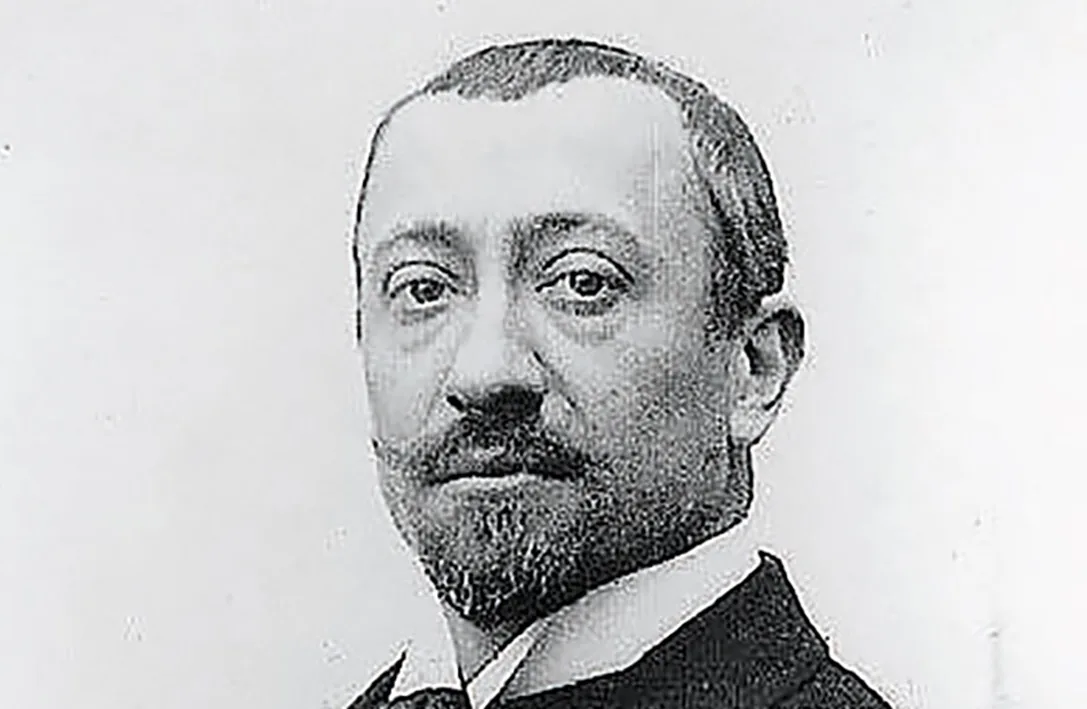
To his surprise, he found that two radiations still emerged from the sample. The new type of radiation was not deflected by an electric field, so it was not made of charged particles. He gave no name to this new radiation: Rutherford took care of that after Villard's report on the discovery and, by simple logic, gave this radiation the name of the next Greek letter, gamma (γ).
Later it was understood that this radiation too was an aspect of the electromagnetic wave phenomenon predicted by Maxwell, and it fully joined what we now call the electromagnetic spectrum.
Polarisation of an electromagnetic wave
As we saw in fig. 1, an electromagnetic wave is made of an electric field and a magnetic field intimately linked to each other and varying regularly in time. The electric field, which has a direction just like the magnetic one, varies from zero to a maximum positive value, then returns to zero, goes to a maximum negative value and finally returns to zero. This behaviour is continuous and regular, and the direction of the field never leaves the plane on which the photon was generated. Look at fig. 1.
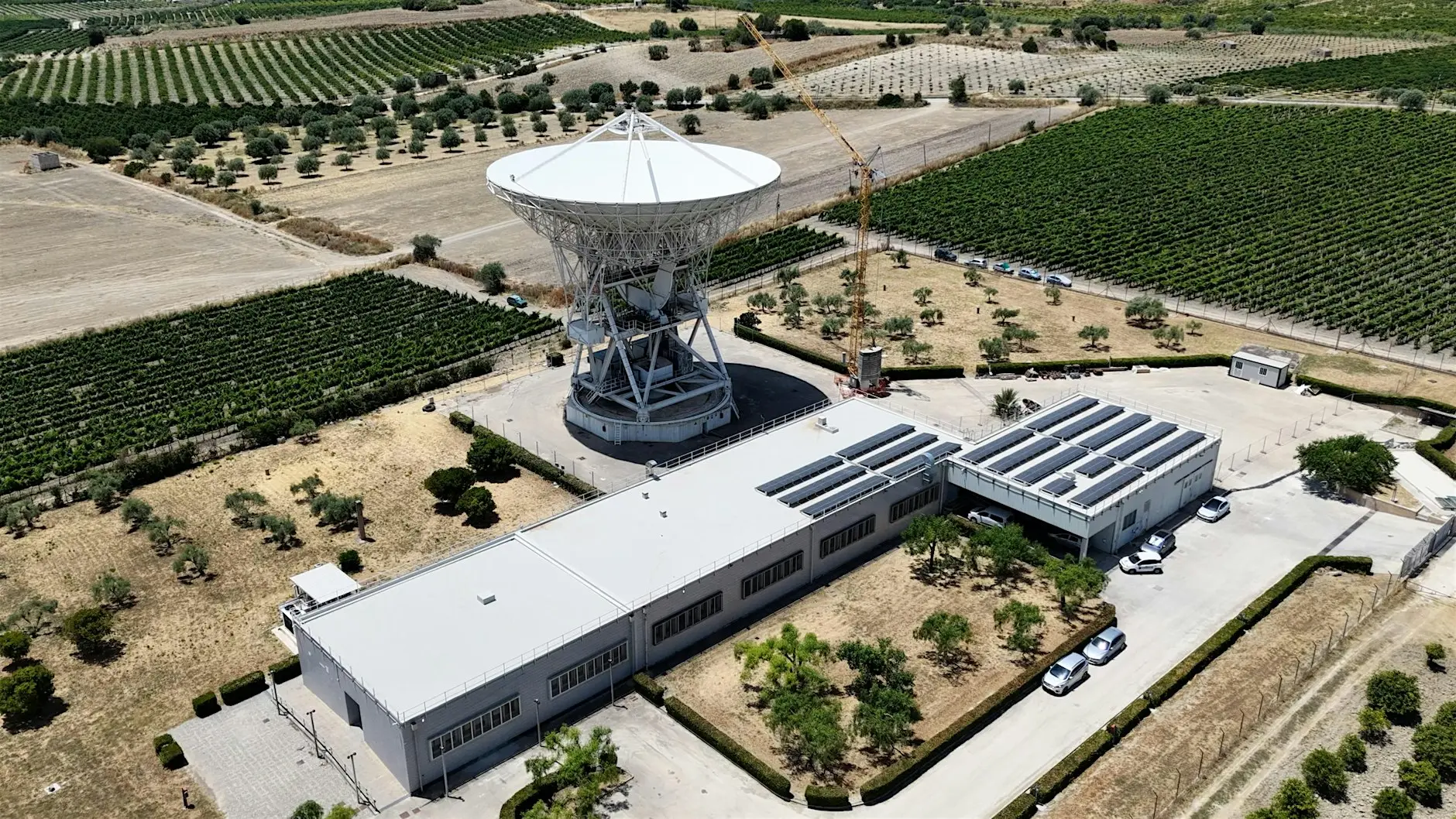
The plane defined by the line E and the line "Direction of propagation" is the one on which the electric field varies in time, and it remains fixed for the whole existence of the photon, until something interacts with it in some way. This plane is called the photon's plane of polarisation. A photon can be linearly polarised, if the plane of polarisation does not change in time, or circularly polarised, if the plane of polarisation rotates regularly clockwise or anticlockwise. What interests us, however, is the polarisation of an electromagnetic wave, which is given by the superposition of the polarisation states of all the photons arriving from the source. Indeed, since each photon is a particle subject to the laws of Quantum Mechanics, we can say nothing about its polarisation state before having measured it and, again according to quantum theory, the possible polarisation states are superposed and all present until we attempt a measurement. Since, however, what we record with a radio telescope like the one in Noto is the ensemble of arriving photons, let us concentrate on the polarisation of a macroscopic electromagnetic wave.
An electromagnetic wave can be represented exactly like a single photon, and its polarisation states are similar. That is, an electromagnetic wave arriving from an astronomical source can have linear or circular polarisation, but also elliptical polarisation.
Let us proceed in order.
The polarisation of an electromagnetic wave generated by natural phenomena is never total in any given mode. Usually a certain degree or percentage of one polarisation state is present. For example, a wave may be 10% linearly polarised, or 5% circularly polarised. Let us not forget that this wave is made of a multitude of photons whose cumulative effect is, statistically, a percentage of polarisation of a certain type, with the remainder having no definite polarisation. Let us see what the possible polarisation states are.
Linear polarisation
If the plane of polarisation of the electromagnetic wave is fixed in a certain percentage, it will be recorded as such. The plane of polarisation may have any orientation with respect to the antenna, so we use receivers built to be able to receive all the possible polarisation states and to let us record them separately.
Right-hand and left-hand circular polarisation
When the plane of polarisation of the incident wave rotates regularly and with equal amplitude in every direction, we have circular polarisation. It is called right-hand circular polarisation if the incoming wave is seen to rotate clockwise, and left-hand circular polarisation in the opposite case.
Elliptical polarisation
Finally, if the plane of polarisation rotates but the amplitude is not equal in every direction, the polarisation is called elliptical. In practice, as it rotates the wave traces out an ellipse-shaped section rather than a circular one as in the previous case. This is actually the most general case, of which circular and linear polarisation are special cases.